The Vietnam Film & Television Market (VFM), held within the framework of the 8th Hanoi International Film Festival (HANIFF VIII), will take place from 28–30 November 2026 in Hanoi, Vietnam.
VFM is a professional business and networking platform for companies, producers, distributors, broadcasters, OTT/streaming platforms, content rights holders, investors and organizations operating in the film, television and digital content industries from Vietnam and around the world.
VFM aims to promote content rights acquisition and licensing, distribution, co-production, investment and content development, while creating opportunities for Vietnamese companies to showcase their content and connect with international partners, buyers and markets.
PARTICIPANTS
1. Exhibitors
Companies, organizations and businesses operating in:
· Feature film and television production;
· Film distribution and sales;
· Television broadcasting;
· OTT/Streaming platforms;
· Digital content;
· Animation and other creative content;
Content rights and IP ownership and exploitation;
· Investment, co-production and content development.
2. Buyers
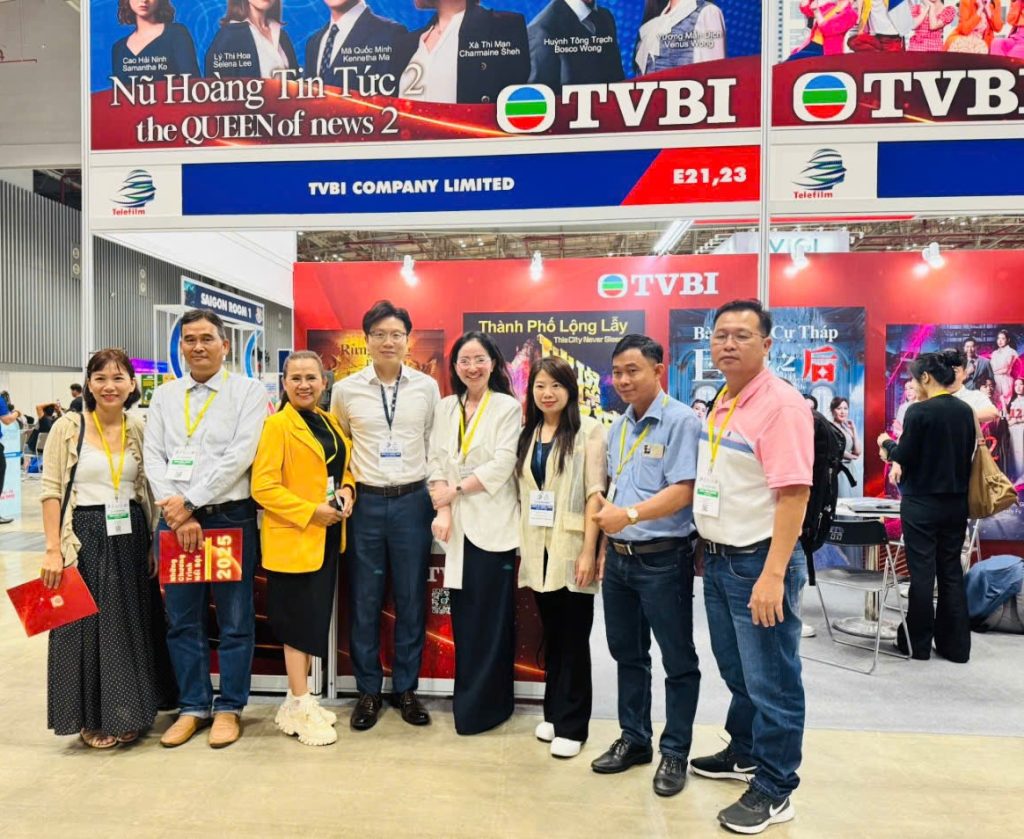
Representatives responsible for content acquisition, content selection and development, distribution, sales and co-production, including: OTT/Streaming platforms; Television broadcasters; Film distributors and sales companies; Content companies; International film and television organizations and businesses.
PROGRAMME ACTIVITIES: VFM will feature the following key activities:
· Exhibition and showcasing of companies, content and projects;
· B2B Meetings and Business Matching between Buyers and participating companies;
· Content rights acquisition, licensing and business exchange;
· Co-production and investment networking;
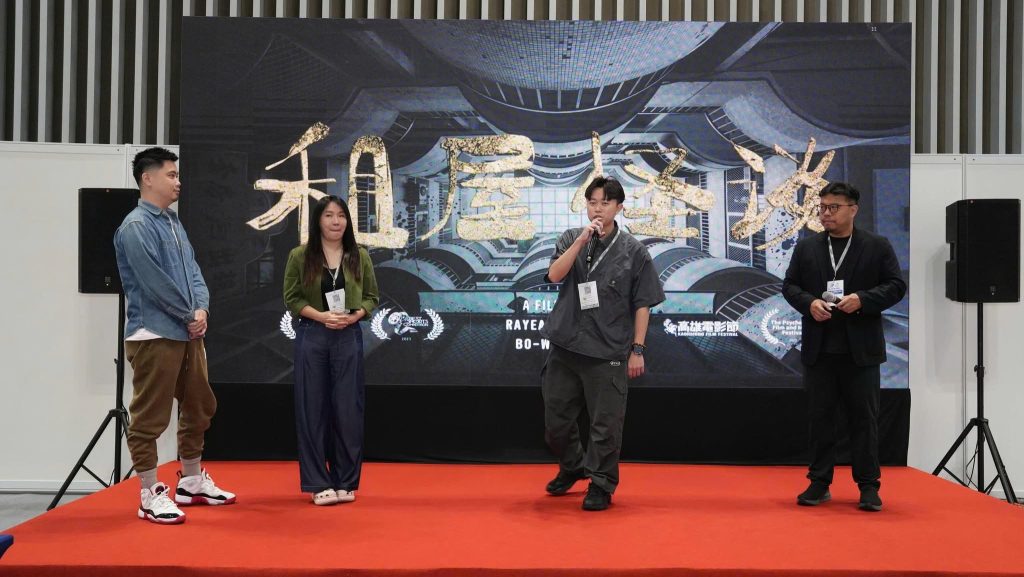
· Industry seminars, panel discussions and professional programmes;
· Networking activities connecting companies, producers, Buyers and industry professionals from Vietnam and overseas;
· VIP/Hosted Buyer Programme for selected international Buyers.
TARGET PARTICIPANTS & BUSINESS OBJECTIVES
VFM welcomes producers, distributors, broadcasters, OTT/Streaming platforms, content companies, rights holders, investors and film and television organizations from Vietnam and overseas who are looking to:
Under the theme “Connecting Content – Creating Value,” VFM 2026 is set to become an important meeting point for the film, television and digital content community, unlocking new opportunities for collaboration, investment and market development.
Showcase and promote their companies, brands and content;
· Find partners for content acquisition, licensing and rights trading;
· Explore distribution and sales opportunities;
· Develop co-production and production partnerships;
· Seek investment and financing opportunities for content projects;
· Expand into new markets and establish long-term international partnerships.
APPLICATION & REGISTRATION
Participating companies are requested to provide the following information through the VFM registration form:
· Company/organization information;
· Company profile and business activities;
· Film, television, content or IP catalogue;
· Projects seeking partners;
· Content acquisition, sales, licensing, distribution or partnership requirements;
· Co-production and investment interests;
· Representative/delegate information;
· Business interests and B2B meeting requirements.
For companies applying for Business Matching, the Organizing Committee will review the submitted information and requirements to support suitable partner matching and meeting schedules.
BENEFITS FOR PARTICIPATING COMPANIES
VFM provides a professional platform for producers, distributors, content rights holders, Buyers, investors and industry partners to meet, showcase their businesses and explore new opportunities.
International Participating companies will have the opportunity to: Hotel accommodation support; Transportation support; Invitations to Welcome Receptions, Networking events and international guest activities; Showcase and promote their company, brand, content catalogue and projects to Vietnamese and international partners;
· Meet qualified Buyers, including representatives from OTT/Streaming platforms, broadcasters, distributors and sales companies;
· Participate in B2B Meetings and Business Matching arranged according to their business needs, creating opportunities for content licensing, distribution, sales and partnerships;
· Connect with producers, distributors, sales companies, investors and international film and television organizations;
· Explore co-production, production and investment opportunities for content projects; Attend industry seminars, panel discussions and professional programmes to gain market insights and enhance industry knowledge;
· Participate in networking activities, expand professional networks and establish long-term business relationships;
· Receive support in connecting with relevant Buyers and business partners based on their registered business and content interests;
VIP / HOSTED BUYER PROGRAMME
· Selected international Buyers participating in the VIP/Hosted Buyer Programme will receive dedicated support and networking opportunities, including:
· Hotel accommodation support subject to the programme’s policy;
· Transportation support during their participation in VFM;
· Invitations to Welcome Receptions, Networking events and international guest activities;
· Access to the VIP Buyer Lounge for business meetings and partner engagement; Support in arranging B2B Business Matching meetings with companies, producers and content rights holders relevant to their business interests.
REQUIREMENTS FOR PARTICIPATING COMPANIES
· Representatives of participating companies are expected to attend and participate in VFM activities from 28–30 November 2026.
· Representatives are encouraged to actively participate in B2B Meetings, Business Matching, Networking and industry programmes throughout VFM.
· Companies registering for Business Matching are required to provide complete and accurate information regarding their content, projects and requirements for acquisition, sales, licensing, distribution or cooperation to facilitate effective business matching.
· Participating companies are responsible for the copyright, intellectual property rights and legal status of all content, products and projects presented at VFM. Participating companies are required to comply with the rules and regulations of the Organizing Committee and the venue throughout the event.
REGISTRATION Companies, organizations and individuals interested in participating in VFM are requested to complete their registration by: 30 September 2026
EVENT INFORMATION
Vietnamese Name: Triển lãm Phim, Truyền hình & Nội dung số Việt Nam
English Name: Vietnam Film & Television Market (VFM)
Dates: 28–30 November 2026
Location: Hanoi, Vietnam
Held within: 8th Hanoi International Film Festival (HANIFF VIII) ORGANIZING & COORDINATION CONTACT
ORGANIZING & COORDINATION CONTACT
GLOEX – GLOBAL EXHIBITION & CONFERENCE CORPORATION
Mr. Matthew Ha – Project Manager
Tel: +84 965 355 002
We warmly invite companies, organizations and industry professionals from Vietnam and around the world to participate in VFM 2026 and join us in building a professional platform for connection, business exchange and cooperation across Vietnam’s film, television and digital content industries.